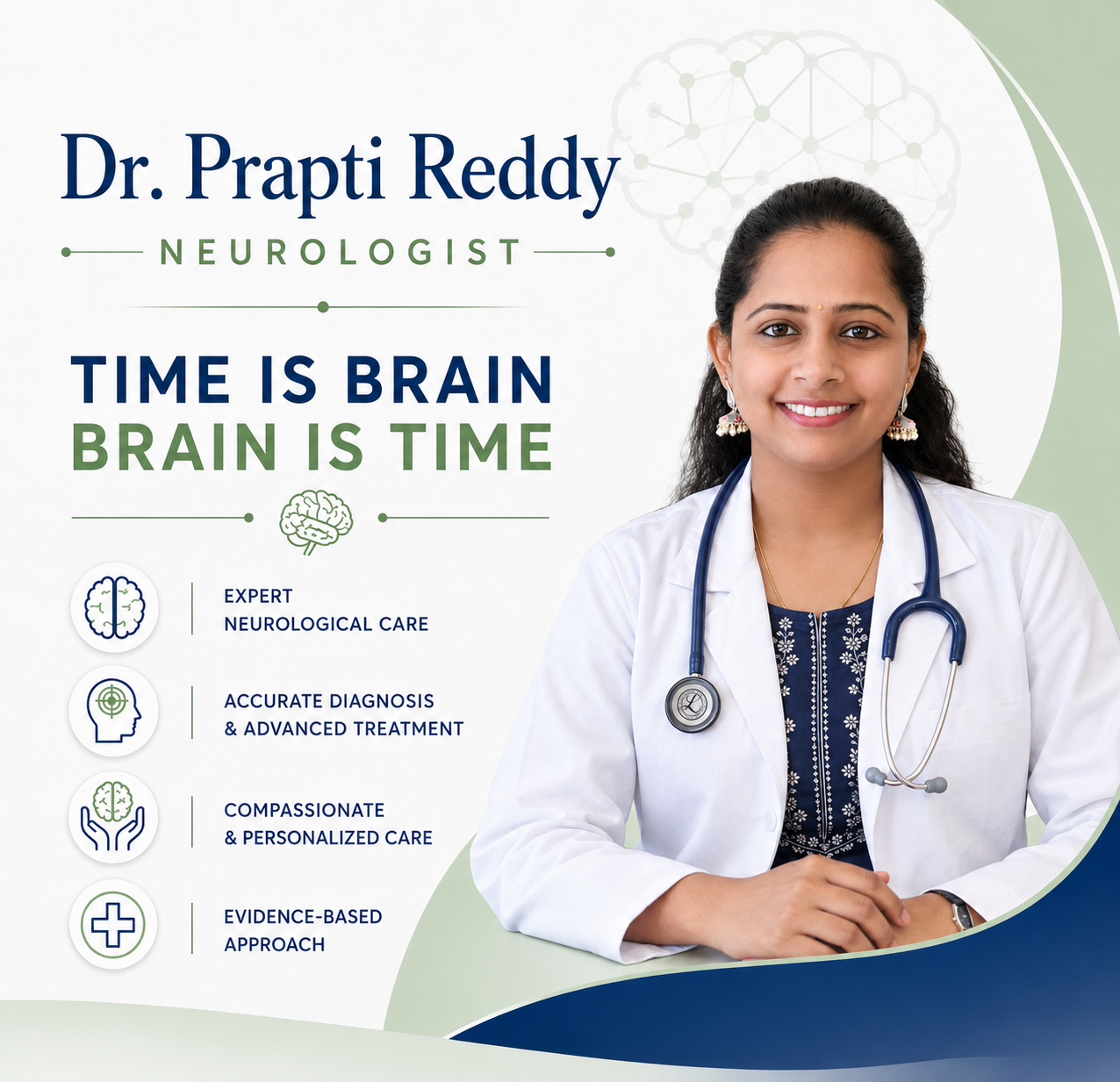
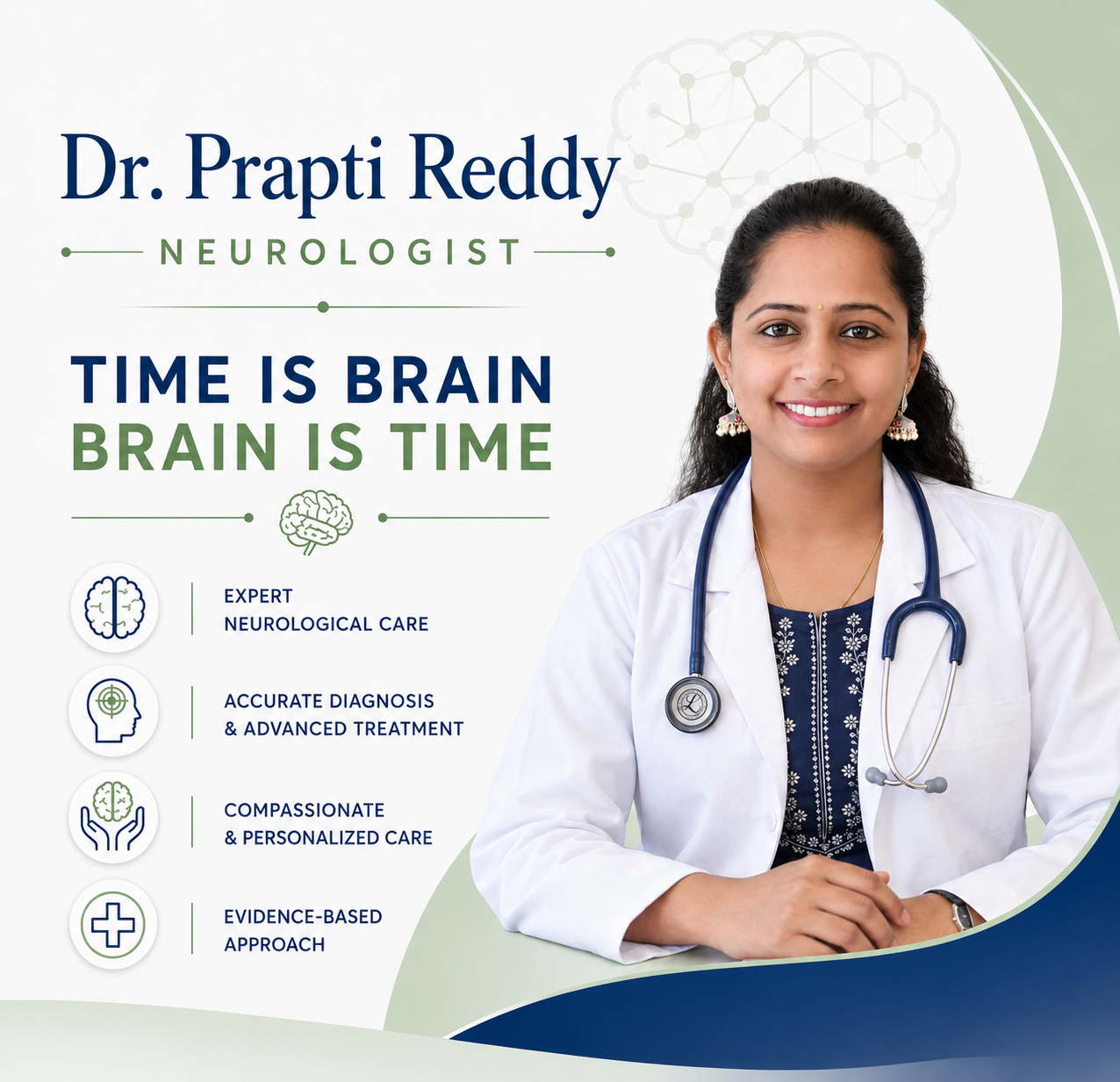
Dr Prapti Reddy, Bengaluru,  Consultant Neurologist specializing in stroke, epilepsy, migraine and movement disorders. To know more, visit neurowellness.in.
Book Appointment at Kauvery Hospital.
Approach and Vision

About Us

My approach to neurological care is centred on being empathetic, understanding the individual behind the symptoms, and providing clear, evidence-based treatment. Neurological conditions can have a significant impact on physical function, cognition, communication, mobility, independence, and overall well-being, and I believe that timely evaluation and accurate diagnosis are essential for achieving the best possible outcomes.


My clinical interests include stroke, acute stroke management and stroke prevention, epilepsy, headache and migraine, movement disorders, peripheral neuropathy, cognitive disorders, and neurological emergencies. I also have experience with EEG and ENMG evaluation, which can provide important diagnostic information in patients with epilepsy, neuropathy, and neuromuscular conditions.


I believe that effective neurological care goes beyond prescribing medication. It involves understanding each patient’s concerns, clearly explaining the diagnosis and treatment options, addressing relevant risk factors, and ensuring appropriate follow-up and rehabilitation whenever needed. To make communication comfortable and accessible, I consult patients in English, Hindi, Kannada, Telugu, and Marathi. In acute conditions such as stroke and epilepsy, timely intervention, appropriate management, and continued monitoring can make a meaningful difference to long-term recovery and neurological function.


As a clinician and educator, I value continuous learning and remain committed to keeping my practice aligned with evolving medical evidence and advances in neurology. My goal is to create a comfortable, welcoming, empathetic, respectful, and patient-centred environment where individuals and their families feel heard and supported. I strive to combine clinical expertise with compassion, ensuring that every patient receives personalized care and a clear understanding of their neurological health, treatment options, and overall care journey.

  • 8+

    Years of Experience and Expertise

  • 500+

    Stroke Cases Handled Successfully

  • 1K+

    Patients With Movement Disorders Treated Successfully

  • 5K+

    Lives Touched and Healed

Our Healthcare Services

Comprehensive Diagnostic & Therapeutic Neurology Services
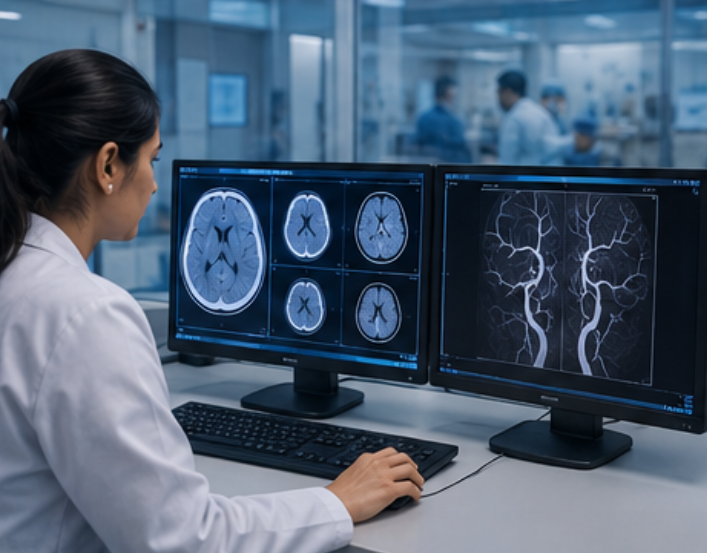
Comprehensive Diagnostic & Therapeutic Neurology Services
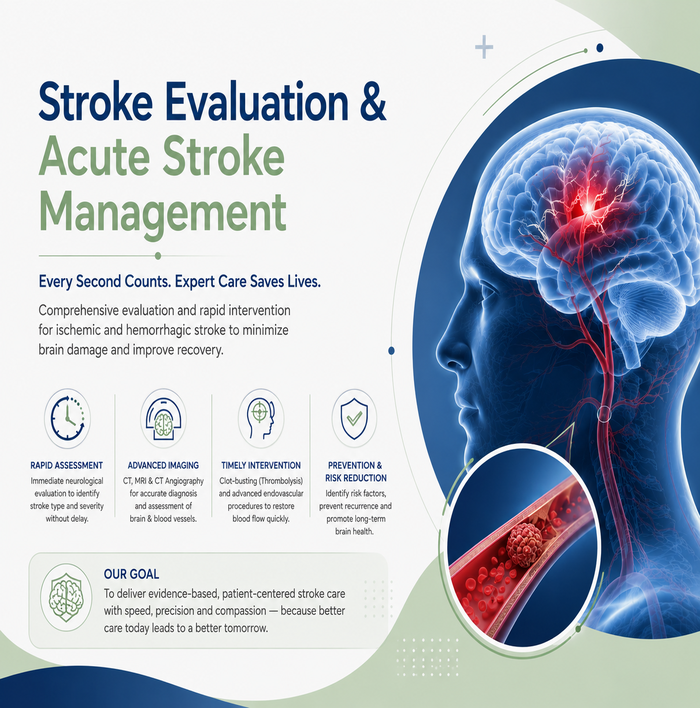
Stroke Evaluation & Acute Stroke Management
Comprehensive Diagnostic & Therapeutic Neurology Services
Epilepsy & Seizure Disorder Management
Comprehensive Diagnostic & Therapeutic Neurology Services

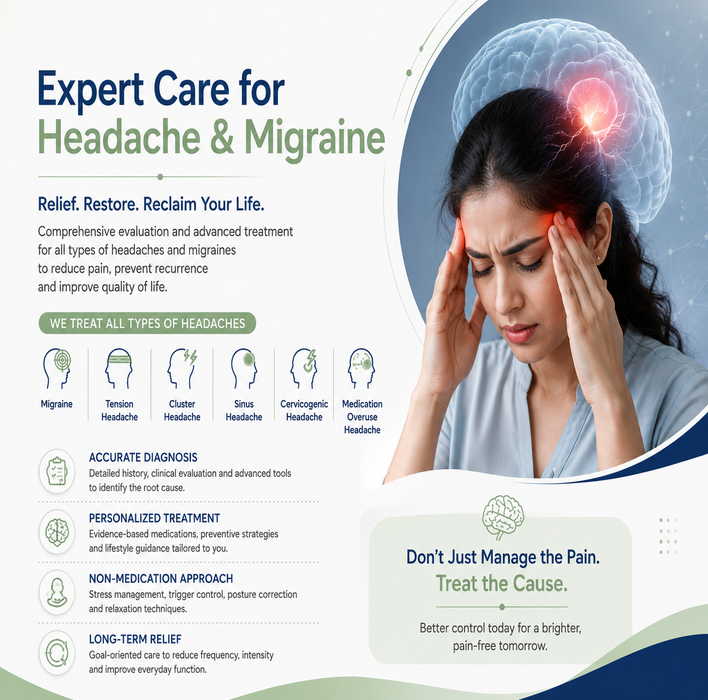
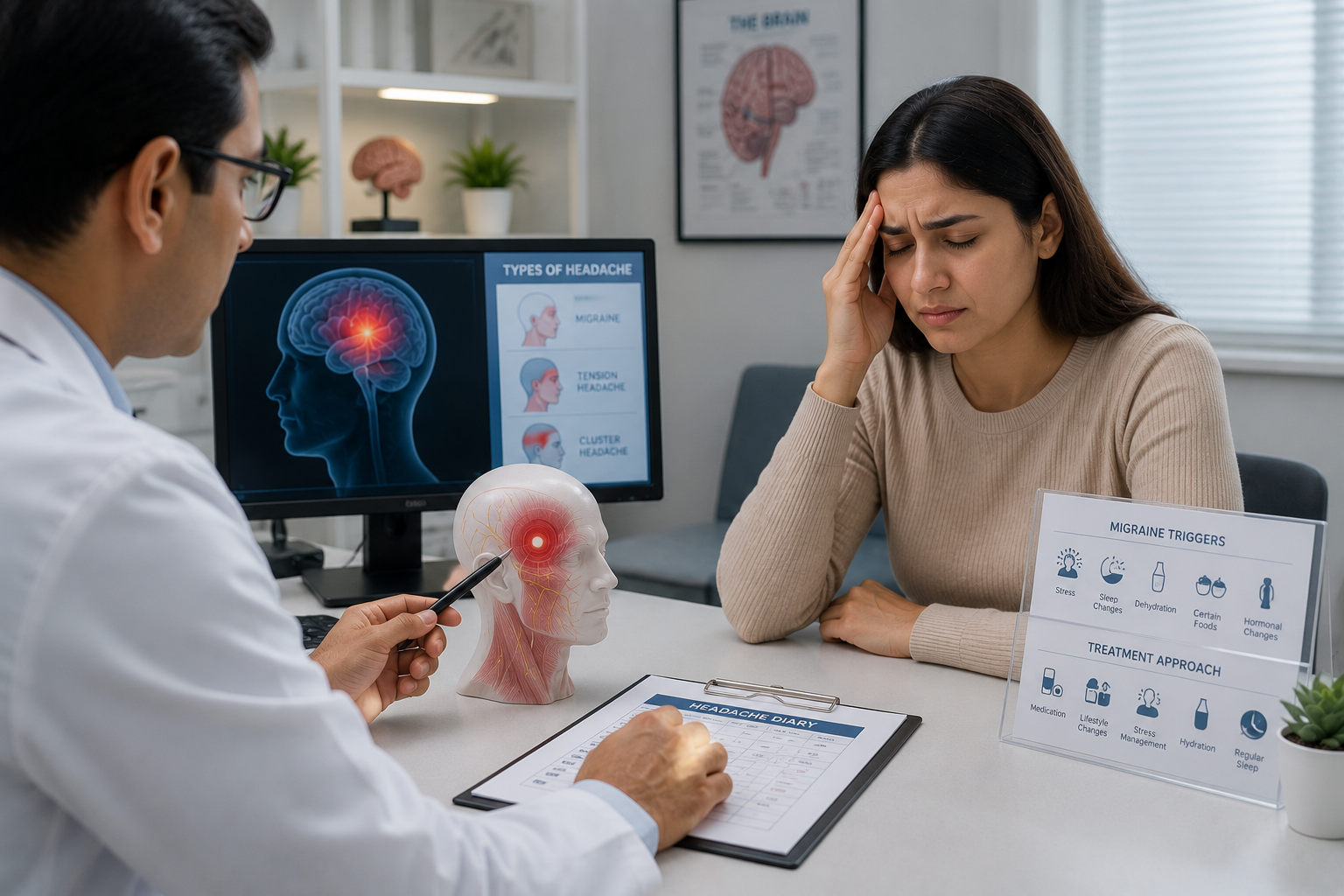
Headache & Migraine Treatment
Comprehensive Diagnostic & Therapeutic Neurology Services
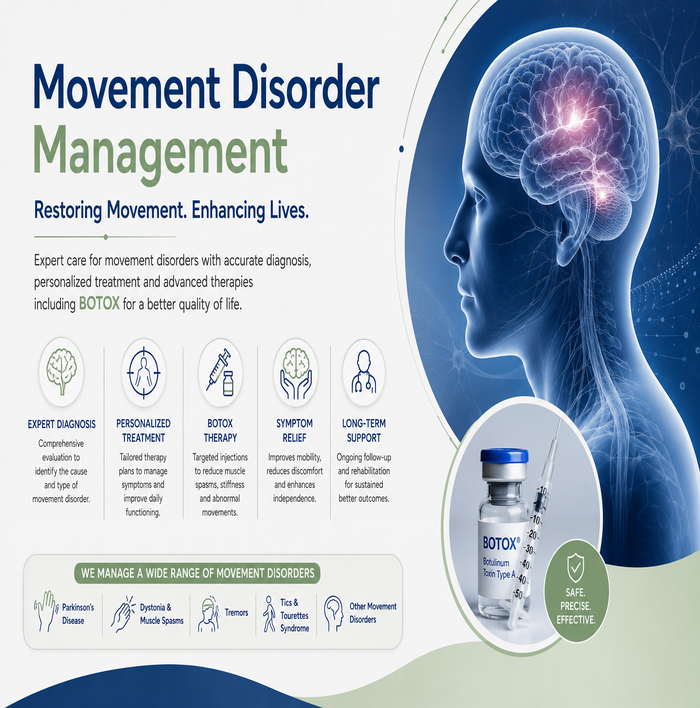
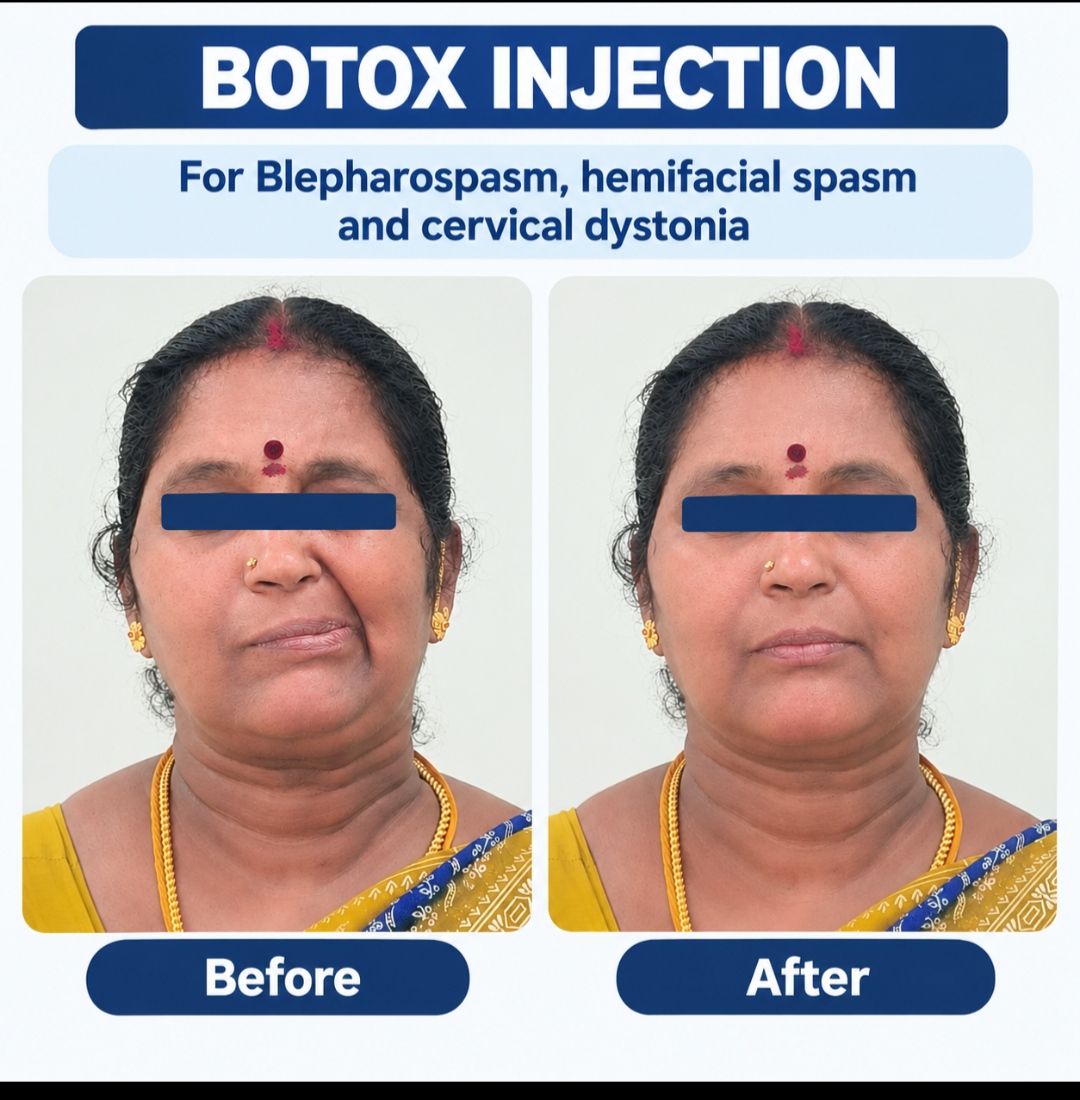
Movement Disorder Management- BOTOX
Comprehensive Diagnostic & Therapeutic Neurology Services
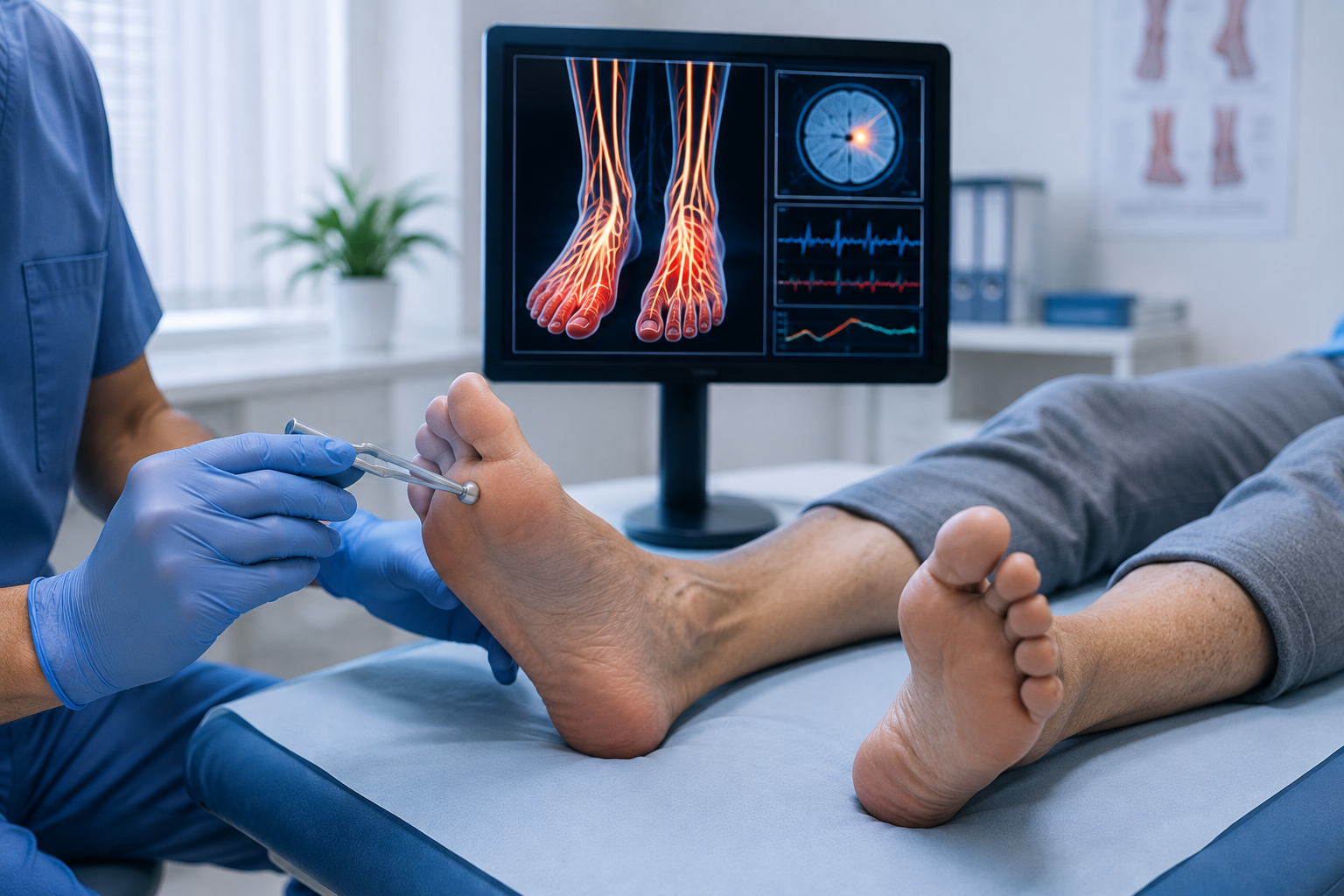
Peripheral Neuropathy Management
Comprehensive Diagnostic & Therapeutic Neurology Services
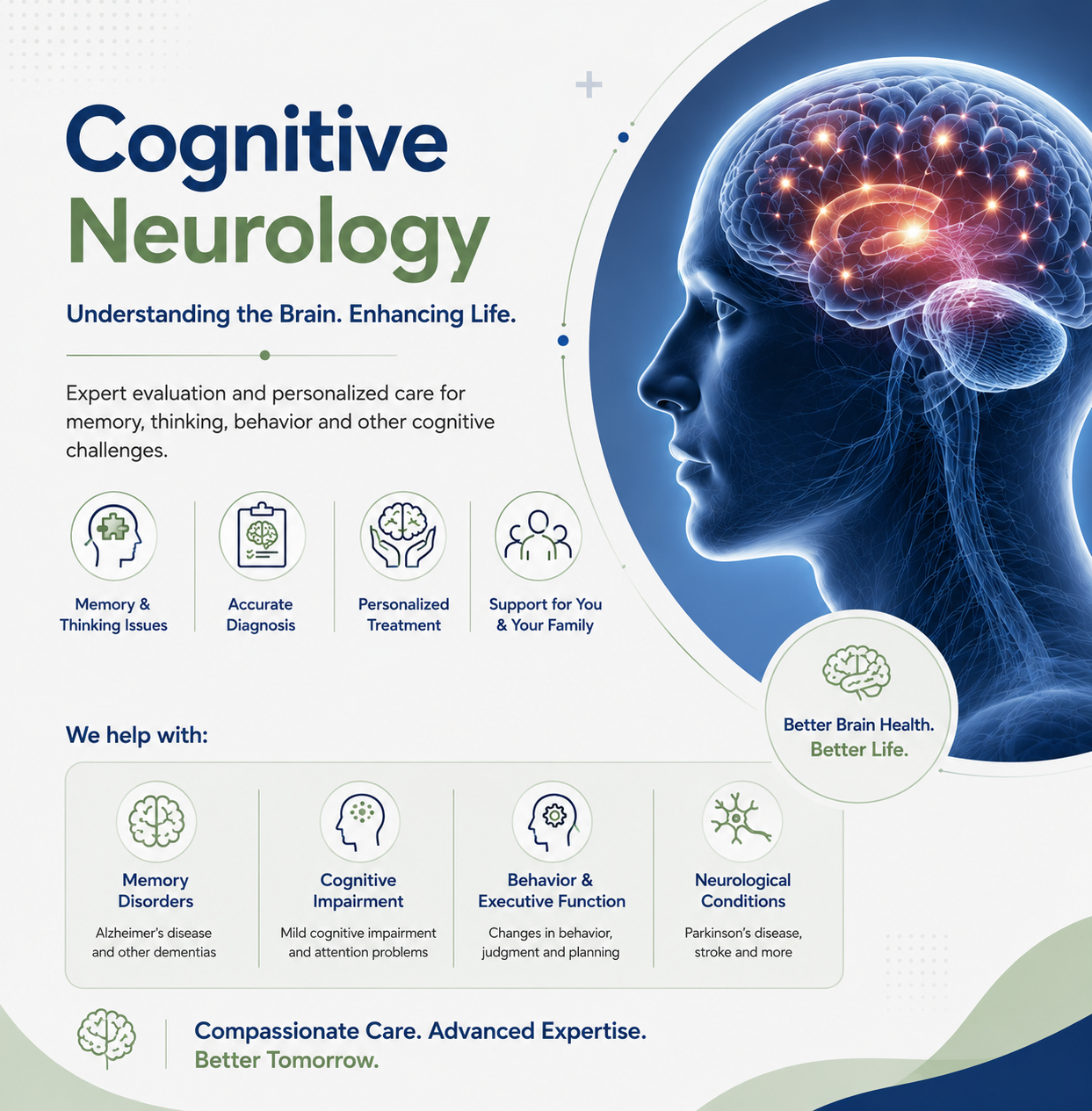
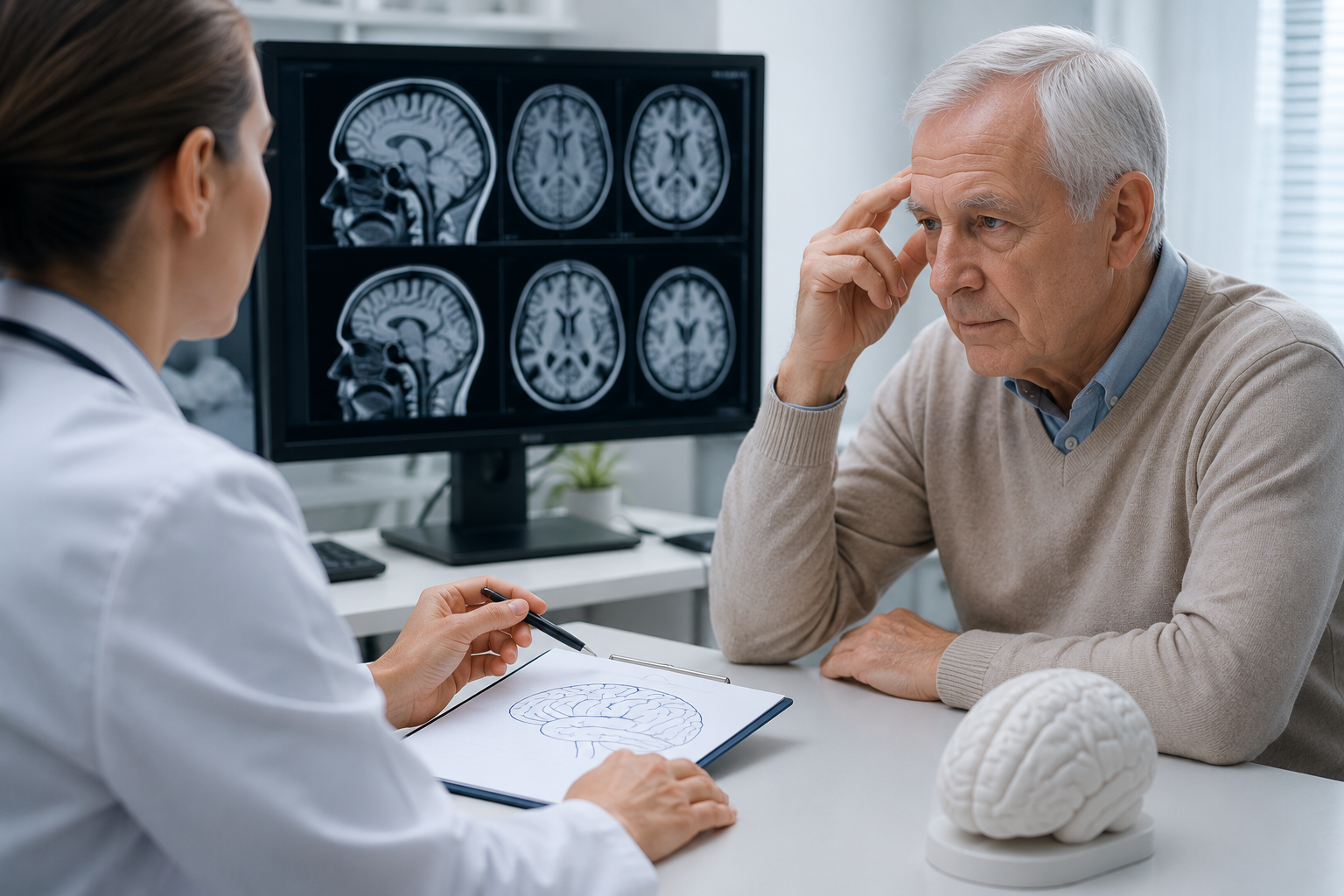
Cognitive Neurology
Comprehensive Diagnostic & Therapeutic Neurology Services
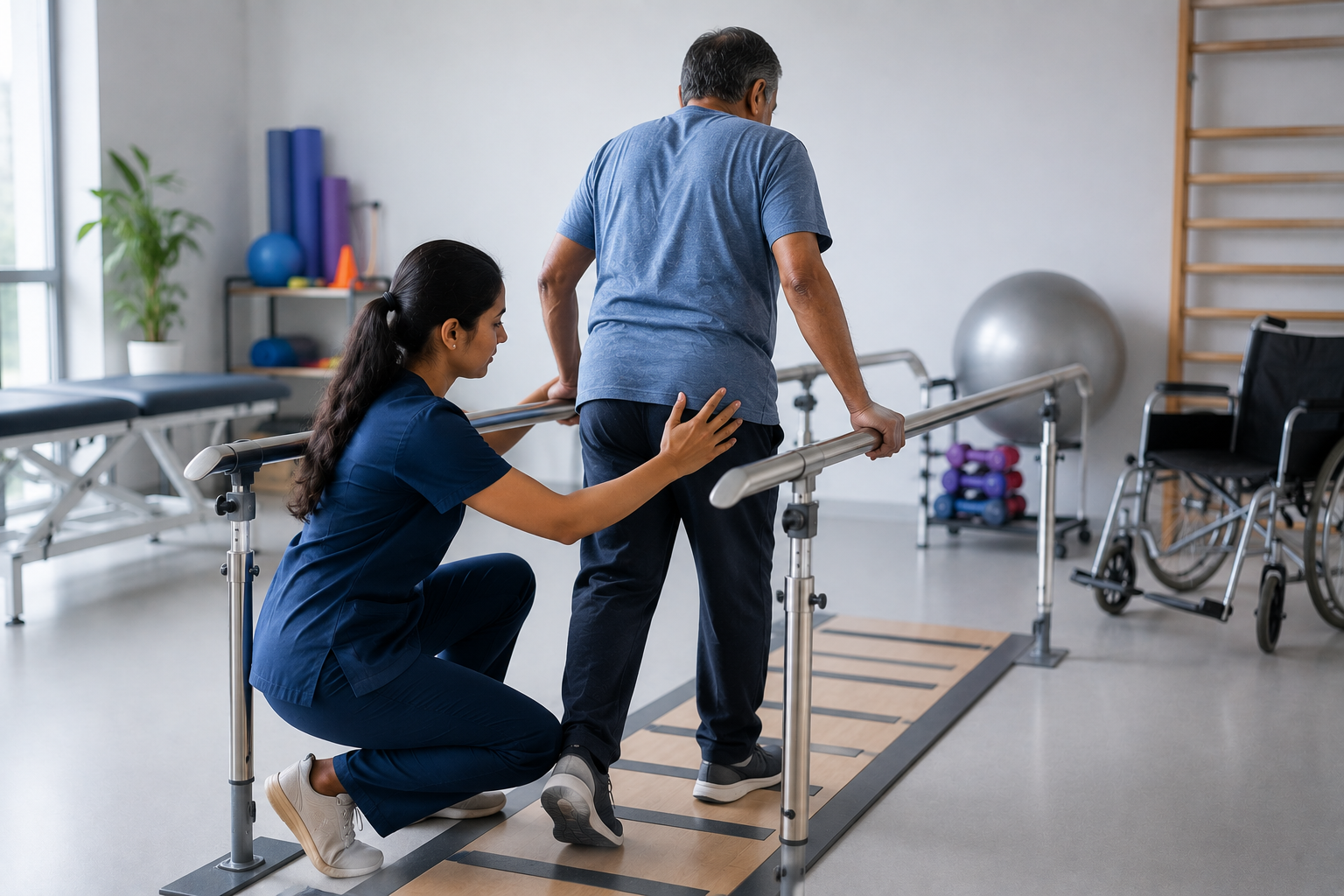
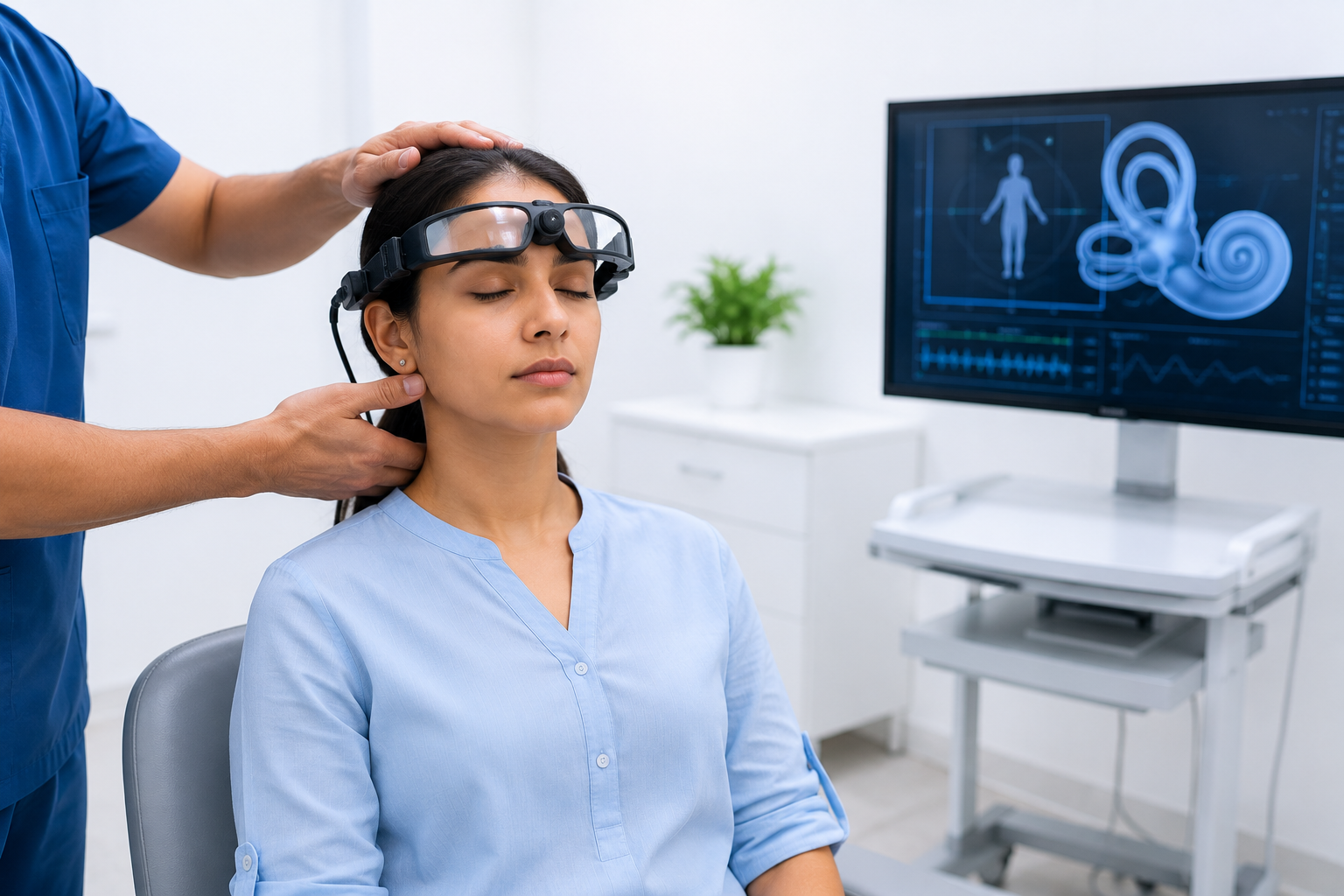
Vertigo & Balance Disorder Management
Comprehensive Diagnostic & Therapeutic Neurology Services
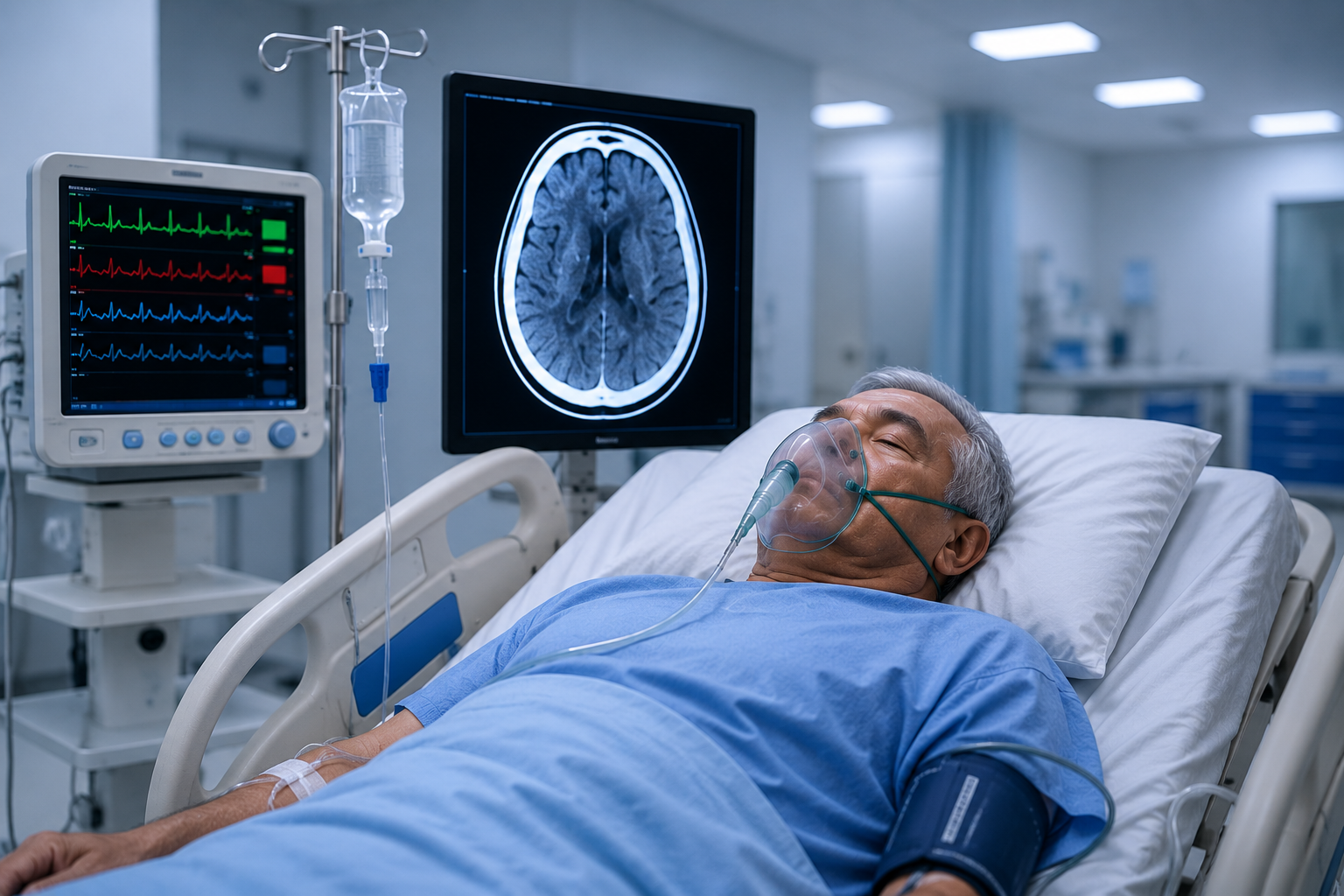
Neurological Rehabilitation & Follow-up Care
Comprehensive Diagnostic & Therapeutic Neurology Services
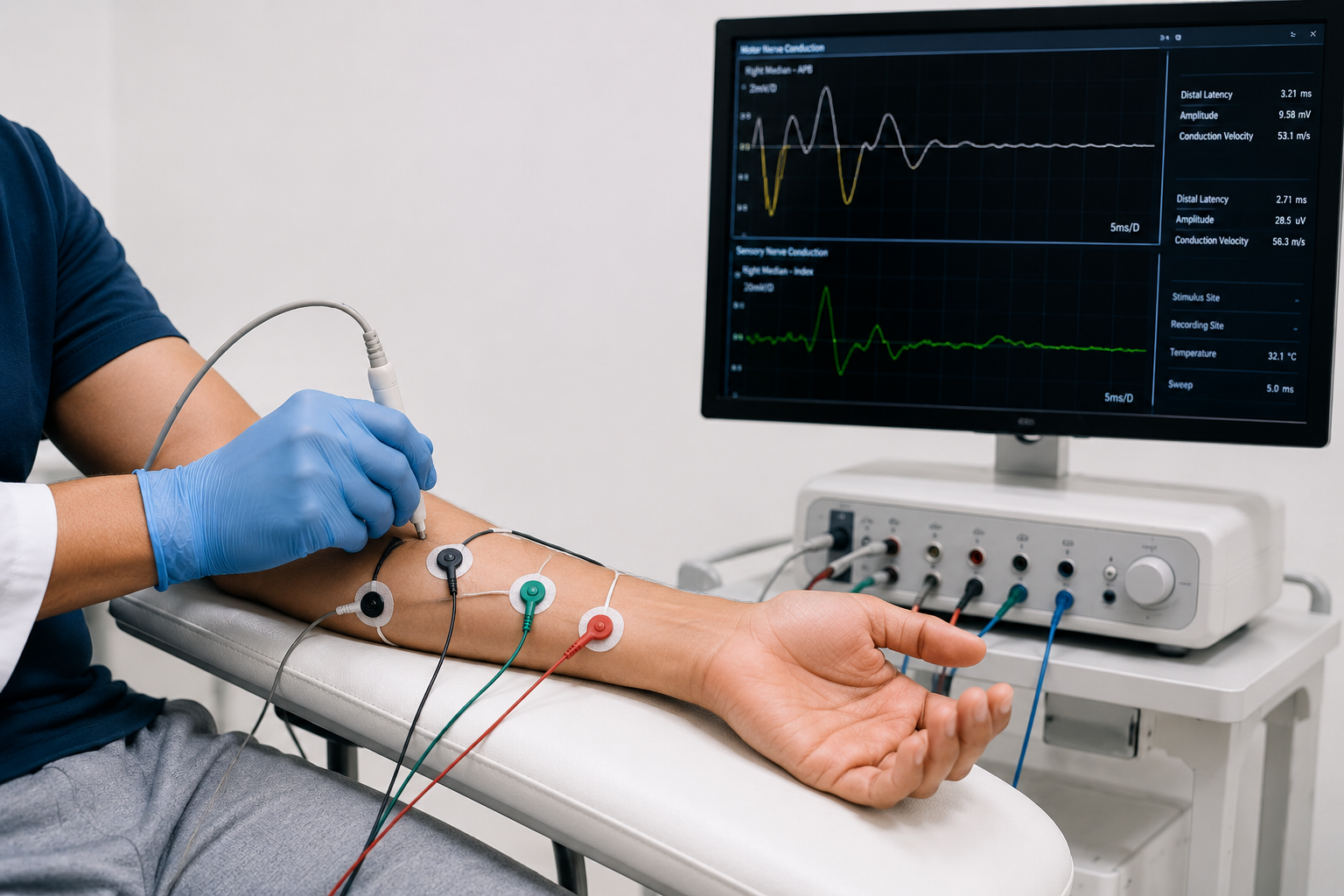
Neuro Emergencies & Critical Care Neurology
Comprehensive Diagnostic & Therapeutic Neurology Services
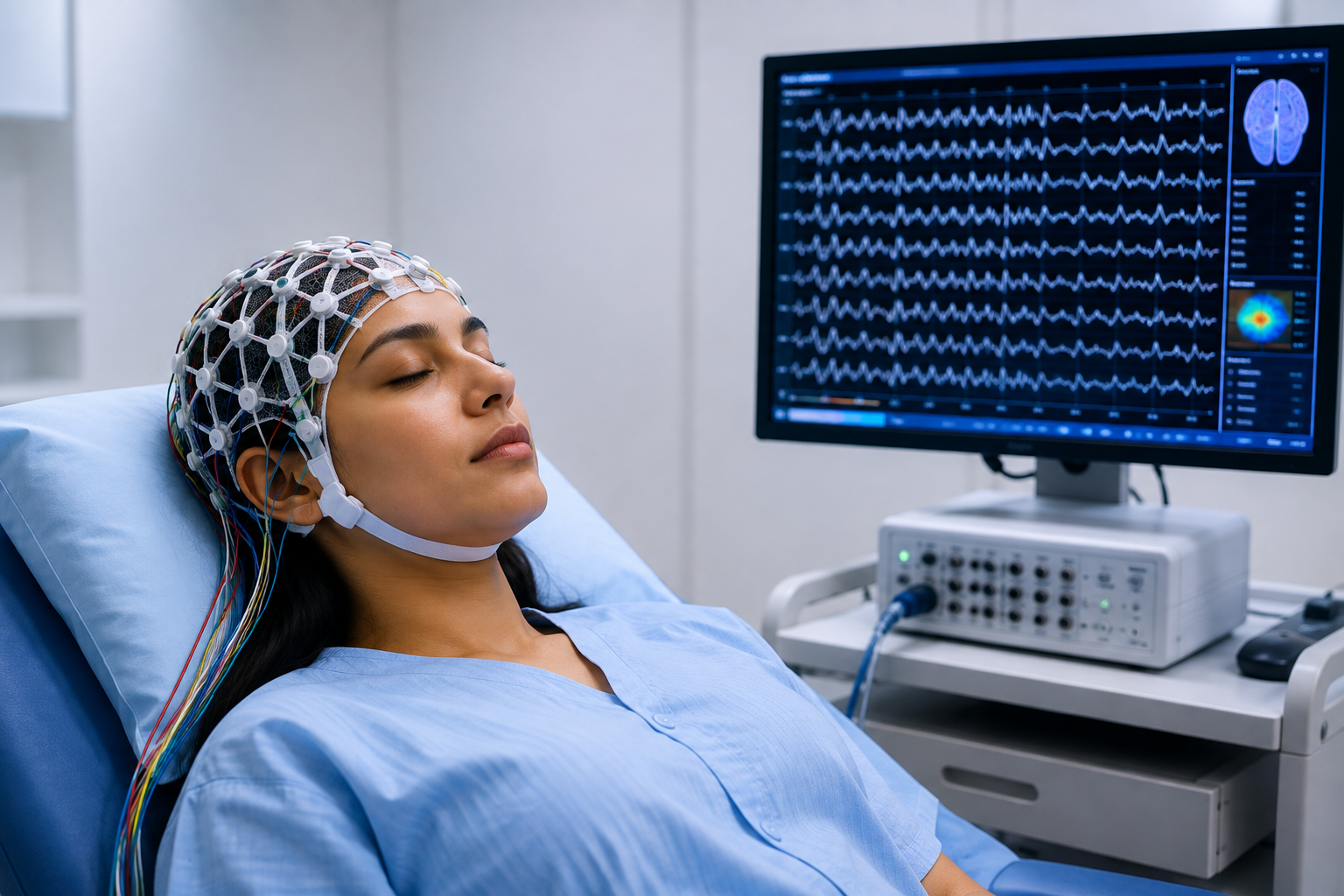
ENMG Evaluation
Comprehensive Diagnostic & Therapeutic Neurology Services
EEG Evaluation

Dr. Prapti Reddy

Neurologist

Call
Video Call
Dr. Prapti Reddy
Qualification:MBBS - K.S. Hegde Medical Academy, Rajiv Gandhi University of Health Sciences MD (General Medicine) - K.S. Hegde Medical Academy, Mangalore DM (Neurology) - Bangalore Medical College & Research Institute (BMCRI), Bengaluru
Experience:8.0 Years
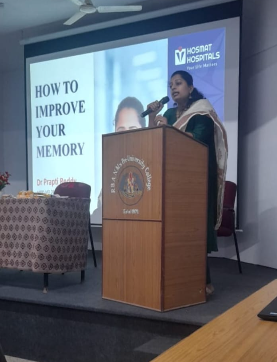
Dr. Prapti Reddy is a compassionate Consultant Neurologist in Bengaluru with over 8 years of experience in diagnosing and managing a broad spectrum of neurological disorders. She completed her MBBS and MD in General Medicine from K.S. Hegde Medical Academy, Mangalore, followed by DM in Neurology from Bangalore Medical College & Research Institute (BMCRI), a leading centre for neurological training in Karnataka. She has served as Assistant Professor in Neurology at BMCRI and has also worked as a Consultant Neurologist at HOSMAT Hospitals, Bengaluru. Her clinical expertise includes acute stroke management, epilepsy, headaches and migraine, movement disorders, peripheral neuropathy, neuro-emergencies, and neurocritical care. She is also skilled in EEG and ENMG evaluation, supporting precise neurological diagnosis. Dr. Prapti has received recognition for academic excellence and clinical research, including a Silver Medal in MD General Medicine and awards for research presentations. She currently practises at Kauvery Hospital, Electronic City, Bengaluru, providing evidence-based, personalized neurological care.

Testimonials

What our Patients say about us

My wife was referred to Dr. Prapti Reddy with issue of migraine. Dr. was approachable, listened to the complaints carefully during her treatment. The medication suggested by her is positively working on me, helping me to overcome my migraine attack. This is my second consulting visit and we are happy with the treatment undergone by her.”

Pearl Charles

Extremely understanding, cooperative and patient doctor – Dr. Prapti Reddy

Talat mohammadi

We have been Dr Prapti's regular patient since last 2/3 years. She is not only a good doctor but very empathetic and good listener. My father is an octogenerian and speaks freely having no bounds of time, but never saw Dr Prapti showing impatience or on frown. I would recommend her treatment to all suffering from some neurological issues

Sujit Biswas

She has the charming capability to treat the patient with a very liberal perspective which impress the patient to a large extent. A.K Nandy Advocate, Bemgaluru

Arup Kumar Nandy

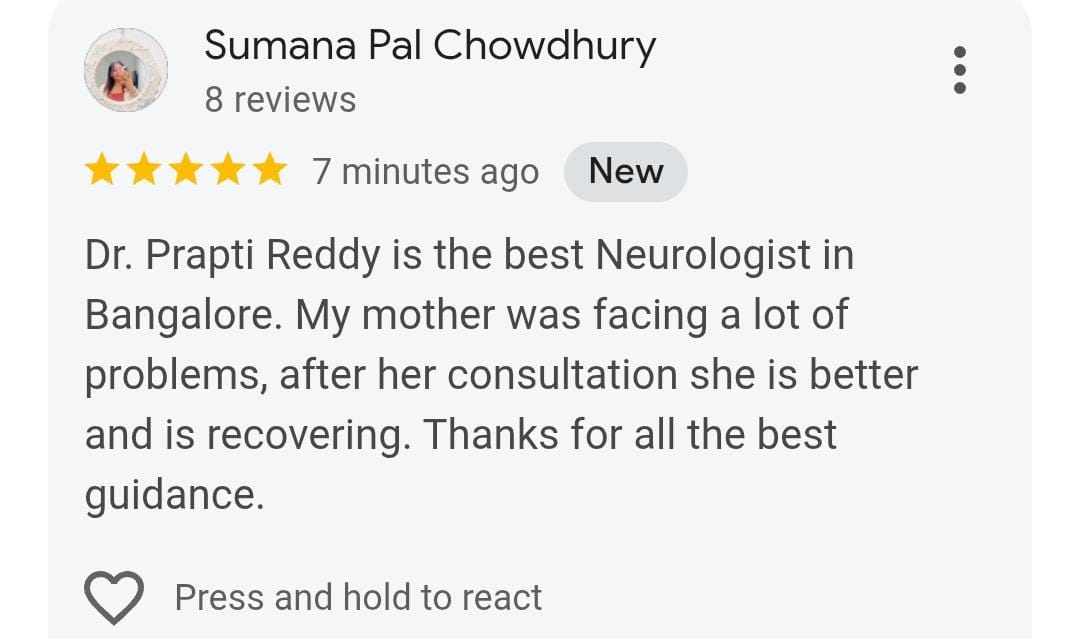
I was surprised with doctor treatment bcz my mom face was affected by face paralysis and the face also changed but after consulting Dr. prapti reddy mam done treatment my mom was cured fully now she feel confident and she is very happy with the treatment and way of doctor opinion also satisfied tq prapti mam

Jayanti durai botox

She's a wonderful Neurologist and physician. Treated my grandfather. Gives personal attention, and followed up regularly. Her treatment worked really well.

Keerthi Puttige

We had consulted with Dr Prapti Reddy from HOSMAT for my Dad. My dad had complained of severe back pain and this had particularly left the family clueless on the exact cause of this. Dr Prapti has a very methodological approach. To start with, Dr Prapti conducted a thorough investigation in order to understand what exactly was the issue. And post that, she was been able to precisely diagnose the issue, and suggest the appropriate medications and procedures to take place. Dr Prapti, I would like to personally thank you for all the support, the properly investigated diagnosis, and the appropriate medical advise and recommendations provided I would like to wholeheartedly recommend Dr Prapti to anybody, as we have had a very nice experience and most importantly, got all the anxiety regarding my dad’s health off our back

Nishant Paul

My mother had persistent giddiness from many months. I had consulted many doctors for the same but symptoms didn't subside. Finally I took her to Dr Prapti. She took history very thoroughly and did a meticulous clinical examination. She had prescribed treatment for a few weeks but my mother started feeling well just in a couple of days. I wholeheartedly thank Dr Prapti. I strongly recommend my family and friends to consult her for the best treatment.

HEMAMBIGAI SHIVAKUMAR

Dr.Prapti Reddy was amazing to diagnose the patient exactly and treated correctly. Patient has recovered so fast from brain stem hemmorhage. I thank her immensely for her best treatment. Patience and courtesy to family members. I wish her all good and God Bless her abundantly.

Ravi Mavinkere

Dr Prapti is a very knowledgeable doctor, one who has extreme patience and truly wants to help. My mother was suffering with NPH and she was quick to diagnose and also advise surgery for her. I have visited neurologists not only in Bangalore, but even in Dallas for my mother's condition, and I have felt very satisfied after meeting with Dr. Prapti. Unfortunately, most of the doctors were only offering advise and words, but Dr. Prapti was quick to provide solutions and answers to all of my mother's symptoms. I am extremely thankful to her and God for having us introduced to her. Diagnosing neuro conditions is not easy as there is a lot of guess work involved, at least from the patient's family. Her prescription medication has hugely helped my mother turn a corner and many steps closer to recovery. I would totally refer her to friends and family in need, in India as well as abroad. Keep up the great work Doctor, we are very happy we found you.

Laxmi N

Dr Prapti Reddy is a brilliant doctor & a terrific human being. When I had gone to her for Restless Calf Muscle problem which was more than a decade old, she identified the cause & appropriate remedy & provided me a great relief. I could sleep like a baby without restlessness. She is a shining star in her field.

Rajashekhar Harsoor

I had visited Dr Prapti Reddy ma'am for my mom's health complaints after visiting several departments. She made the right diagnosis in the first visit itself and gave the right medications which solved all my mom's issues and she is perfectly healthy now. Thank you Dr Prapti ma'am.

Varun V

Dr. Prapti is an empathetic human being. She respect her profession godly. She treats her patient with utmost care and compassion. She is an asset to the Medical Community. Wish you good luck Dr. Prapti. Continue your passion with your lovely healing touch..!!

Santhosh Ananthapura

Doctor is very professional and approachable. She has got lot of patience and observes minute details and prescribe treatment after detailed observations and clinical analysis. One of the best doctor for Parkinson's, alzheimer's and I am sure anything related to nerves. In my case it was my dad with Parkinson's.

Sudhir Sridhar

Frequently Asked Questions

Need Answers? Find them here...

A headache warrants neurological assessment when it is new, unusually severe, progressively worsening, recurrent and disabling, or associated with neurological symptoms. Warning features include sudden severe onset, weakness, numbness, speech difficulty, vision changes, confusion, seizures, fever with neck stiffness, persistent vomiting, or headache following significant head trauma. A change in an established headache pattern may also require evaluation. Most headaches are not caused by dangerous neurological disease, but certain clinical features may indicate the need for urgent investigation. A neurologist evaluates the headache history, neurological examination, associated symptoms, and relevant risk factors before deciding whether imaging or additional investigations are necessary.

Dr. Prapti Reddy is a Consultant Neurologist in Bengaluru with expertise in stroke management, epilepsy, headache and migraine, movement disorders, peripheral neuropathy, cognitive neurology, neuro-emergencies, and neurocritical care. She also provides EEG and ENMG evaluation when clinically indicated. Her approach emphasizes empathetic, evidence-based, individualized neurological care, with attention to diagnosis, treatment, risk-factor management, rehabilitation, and appropriate follow-up. Patients can seek specialist evaluation for new, persistent, recurrent, or complex neurological symptoms. Dr. Reddy currently practices at Kauvery Hospital, Electronic City, Bengaluru, where neurological assessment and management are tailored to each patient's clinical condition and treatment requirements.

A: A neurologist plays an important role in the rapid assessment and management of neurological emergencies, including acute stroke, status epilepticus, sudden neurological deficits, severe altered consciousness, and other potentially life-threatening conditions. Emergency neurological assessment focuses on identifying the underlying cause, stabilizing the patient, obtaining appropriate brain or vascular imaging, and initiating time-sensitive treatment when indicated. Management may require coordination with emergency medicine, intensive care, neurosurgery, radiology, and other specialties. Early recognition and treatment are particularly important in conditions such as stroke and prolonged seizures, where delays can increase the risk of permanent neurological injury. Immediate emergency medical care should be sought for sudden or severe neurological symptoms.

A neurological consultation generally begins with a detailed discussion of the patient's symptoms, onset, progression, medical history, medications, family history, and relevant risk factors. The neurologist then performs a focused neurological examination assessing functions such as strength, sensation, reflexes, coordination, balance, speech, cognition, and cranial nerve function, depending on the presenting problem. Additional investigations such as MRI, CT, EEG, ENMG, or blood tests may be recommended when clinically appropriate. The diagnosis and treatment plan are then discussed with the patient, including medications, lifestyle measures, rehabilitation, further testing, and follow-up. The specific evaluation varies according to the symptoms and suspected neurological condition.

Neurological rehabilitation after stroke aims to improve movement, balance, communication, cognition, and independence according to the individual's neurological deficits. Rehabilitation may involve physiotherapy, occupational therapy, speech and language therapy, cognitive rehabilitation, and other specialized interventions depending on the affected functions. The rehabilitation plan is based on the location and severity of the stroke, current neurological deficits, medical stability, and individual goals. Regular neurological follow-up is important to monitor recovery, manage complications, optimize secondary stroke prevention, and adjust treatment. Rehabilitation is often a gradual process, and continued therapy, appropriate home-based exercises, and management of vascular risk factors can support long-term functional recovery.

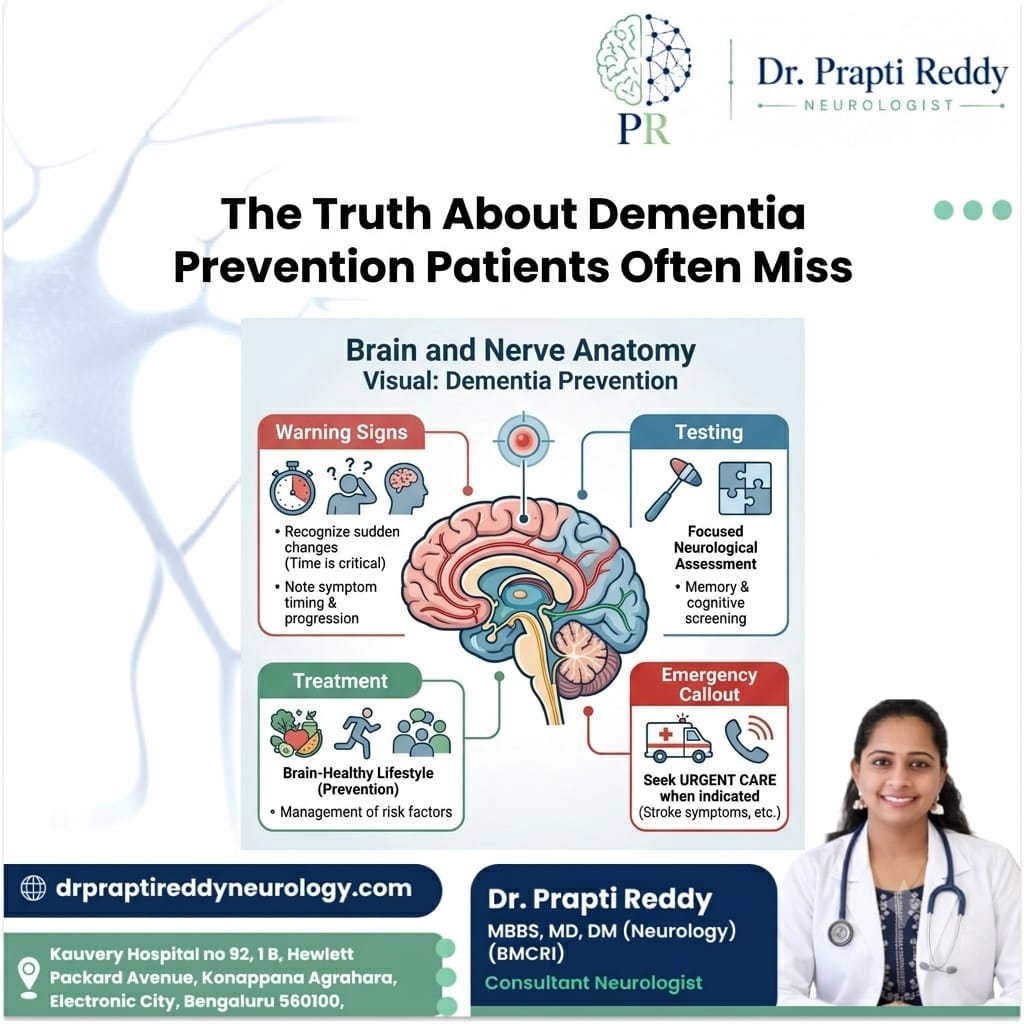
Cognitive neurology focuses on disorders affecting memory, attention, language, executive function, reasoning, and other higher brain functions. Cognitive symptoms may occur with conditions such as Alzheimer's disease and other dementias, stroke, Parkinsonian disorders, epilepsy, brain injury, metabolic disorders, or certain psychiatric and systemic conditions. A neurological evaluation involves understanding the patient's symptoms and their progression, reviewing medications and medical history, and assessing cognitive and neurological function. Additional investigations may be recommended when appropriate to identify potentially reversible causes or clarify the diagnosis. Early assessment can help establish an appropriate management plan, address contributing factors, provide counseling, and support patients and families in planning ongoing care.

Vertigo is the false sensation of movement, often described as spinning, tilting, or the environment moving around you. Balance problems may result from disorders involving the inner ear, brain, cerebellum, peripheral nerves, vision, or musculoskeletal system. Neurological evaluation can help distinguish central neurological causes from peripheral vestibular conditions. Assessment may include a detailed history, neurological examination, eye-movement assessment, balance testing, and additional investigations when clinically indicated. Treatment depends on the underlying cause and may involve medication, vestibular rehabilitation, management of associated neurological disease, or referral to an appropriate specialist. Persistent, recurrent, or sudden vertigo with neurological symptoms warrants prompt medical assessment.

Neurocritical care focuses on the management of patients with severe or life-threatening neurological conditions requiring close monitoring and specialized treatment. These may include large or complicated strokes, intracranial bleeding, prolonged seizures or status epilepticus, severe traumatic brain injury, and other critical neurological disorders. Management may involve neurological monitoring, airway and respiratory support, control of intracranial pressure, seizure management, blood-pressure optimization, and treatment of the underlying neurological condition. Neurocritical care often involves collaboration between neurologists, intensivists, neurosurgeons, radiologists, and other specialists. Early recognition and appropriate management of neurological emergencies are essential to minimize secondary brain injury and support the best possible clinical outcome.

Botulinum toxin (Botox) therapy has established neurological applications for selected movement and pain disorders. Depending on the diagnosis, it may be used to treat conditions such as focal dystonia, spasticity, chronic migraine, and certain other disorders involving excessive or involuntary muscle activity. The treatment works by temporarily reducing excessive nerve-mediated muscle contraction. Appropriate muscle selection and dosing require detailed clinical assessment and knowledge of relevant anatomy. The duration of benefit varies between individuals, and repeat treatment may be required when clinically indicated. A neurologist determines whether botulinum toxin is appropriate based on the diagnosis, symptom pattern, previous treatment response, medical history, and treatment goals.

Movement disorders are neurological conditions characterized by abnormal or impaired movement, including tremor, excessive movements, slowed movement, stiffness, or involuntary muscle contractions. Examples include Parkinson's disease, dystonia, essential tremor, and other hyperkinetic or hypokinetic disorders. Symptoms vary according to the underlying condition and may affect walking, balance, coordination, speech, or everyday activities. Neurological evaluation involves assessing the pattern, timing, triggers, progression, and associated symptoms of abnormal movement. Treatment depends on the specific diagnosis and may include medications, rehabilitation, lifestyle measures, or selected interventions such as botulinum toxin injections for appropriate conditions, particularly certain forms of dystonia or spasticity.

A neurologist diagnoses and manages disorders affecting the brain, spinal cord, peripheral nerves, muscles, and neuromuscular system. Common neurological conditions include stroke, epilepsy, migraine and other headaches, peripheral neuropathy, movement disorders, cognitive disorders, vertigo, and neurological emergencies. A neurologist may also evaluate symptoms such as seizures, weakness, numbness, dizziness, memory difficulties, tremors, balance problems, and persistent headaches. Treatment may involve medication, risk-factor modification, rehabilitation, diagnostic testing, or referral to other specialists when required. Early neurological assessment can help establish an accurate diagnosis and appropriate management plan.

Treatment for migraine and headache disorders depends on the type, frequency, severity, triggers, associated symptoms, and impact on daily life. Management may include identifying and avoiding individual triggers, maintaining regular sleep and hydration, and using appropriate acute medications to control attacks. Patients experiencing frequent or disabling migraines may require preventive treatment to reduce headache frequency and severity. A neurologist first evaluates the headache pattern and associated symptoms to distinguish migraine from other primary headache disorders and identify warning signs requiring further investigation. Treatment is individualized according to the patient's medical history, medication tolerance, headache frequency, and response to previous therapies.

Peripheral neuropathy occurs when peripheral nerves are damaged or dysfunctional, potentially causing numbness, tingling, burning pain, altered sensation, weakness, or balance difficulties. Diabetes is one of the most common causes, but neuropathy can also result from vitamin deficiencies, certain medications, alcohol-related nerve damage, autoimmune disorders, kidney disease, infections, inherited conditions, or other neurological disorders. In some cases, the cause may remain unidentified despite evaluation. Diagnosis may involve neurological examination, blood investigations, nerve conduction studies, and ENMG depending on the symptoms. Treatment focuses on addressing the underlying cause where possible, managing symptoms, preventing complications, and maintaining neurological function.

An electroencephalogram (EEG) records electrical activity generated by the brain and is particularly useful in evaluating suspected epilepsy and seizure disorders. It can help identify abnormal electrical patterns and may provide supportive evidence for certain seizure types. EEG findings must always be interpreted alongside the patient's clinical history and examination because a normal EEG does not necessarily exclude epilepsy. Depending on the clinical question, a neurologist may recommend routine EEG, sleep-deprived EEG, or prolonged video-EEG monitoring. EEG may also be useful in selected cases involving altered consciousness or other neurological conditions where assessment of brain electrical activity is clinically relevant.

ENMG, or electroneuromyography, is a diagnostic evaluation used to assess the function of peripheral nerves and muscles. It generally incorporates nerve conduction studies and, when appropriate, electromyography to identify abnormalities affecting nerves, neuromuscular junctions, or muscles. ENMG can help evaluate symptoms such as persistent numbness, tingling, weakness, muscle wasting, or unexplained limb pain. It is commonly used in the assessment of peripheral neuropathy, nerve compression, radiculopathy, and selected neuromuscular disorders. The test helps the neurologist determine the location, distribution, and characteristics of nerve or muscle dysfunction and can contribute to a more precise diagnosis and treatment plan.

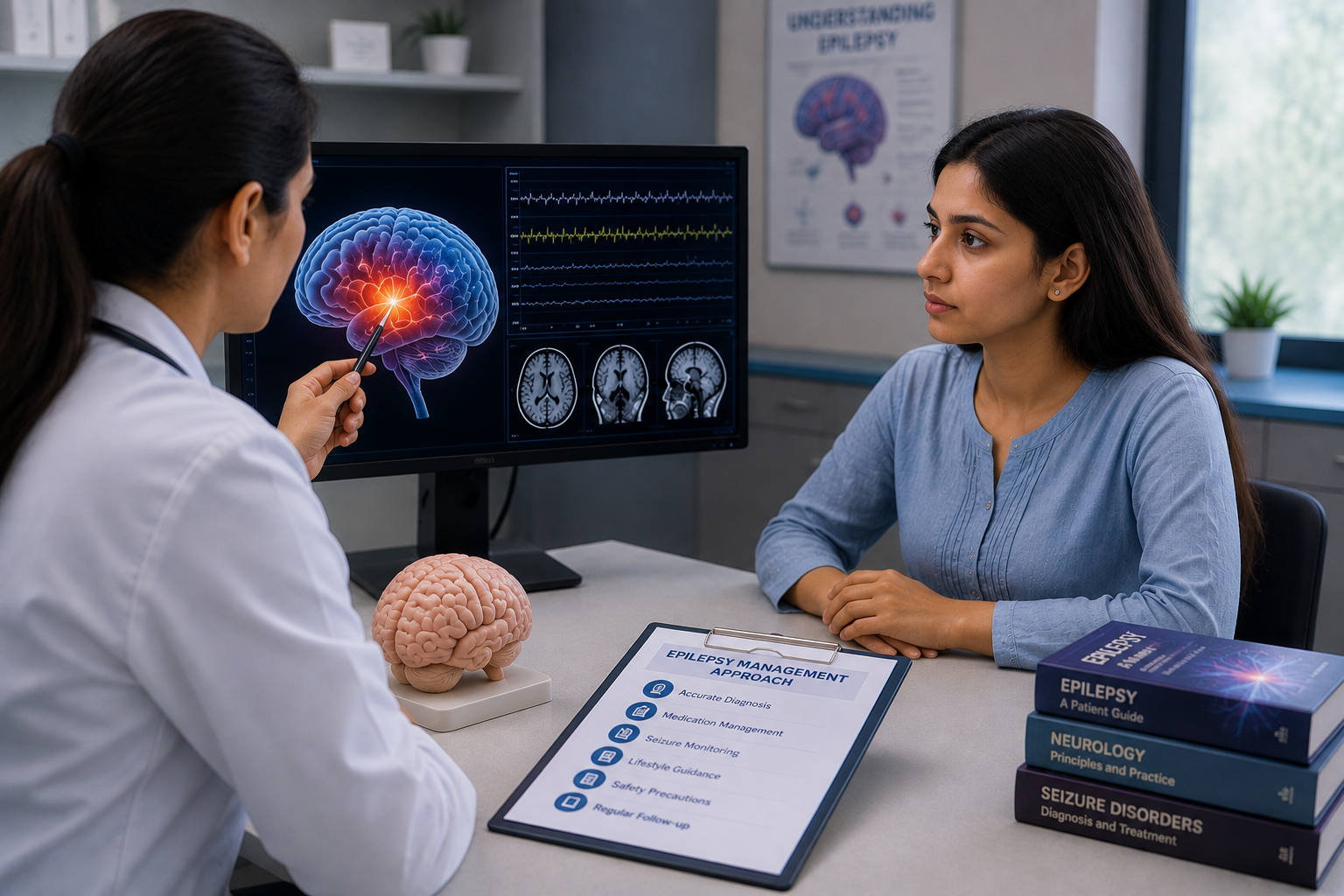
Epilepsy is a neurological disorder characterized by a persistent predisposition to recurrent unprovoked seizures. Seizures can present in different ways, including abnormal movements, altered awareness, unusual sensations, behavioural changes, or temporary loss of consciousness. Diagnosis is based on the clinical history, neurological examination, and investigations such as EEG and brain imaging when indicated. Treatment commonly involves antiseizure medications selected according to seizure type, underlying cause, age, medical history, and other individual factors. Some patients with drug-resistant epilepsy may require specialized evaluation for additional treatment options. Regular follow-up is important to monitor seizure control, medication effectiveness, and potential adverse effects.

Stroke prevention involves identifying and managing factors that increase the risk of stroke. These may include high blood pressure, diabetes, high cholesterol, smoking, obesity, physical inactivity, atrial fibrillation, and previous stroke or transient ischemic attack. Depending on the underlying cause, prevention may involve lifestyle modification, blood-pressure and cholesterol management, antiplatelet or anticoagulant therapy, diabetes management, or treatment of specific vascular or cardiac conditions. A neurologist assesses the individual's risk factors and medical history before recommending preventive measures. Patients who have already experienced a stroke or TIA require particularly careful evaluation to reduce the risk of recurrence.

Early treatment is critical in acute stroke because some treatments are time-dependent, particularly for eligible patients with acute ischemic stroke. Rapid assessment helps determine whether the stroke is caused by a blocked blood vessel or bleeding and whether specific interventions are appropriate. Depending on the clinical situation, eligible patients may receive intravenous thrombolysis or undergo mechanical thrombectomy for certain large-vessel occlusions. Brain imaging and vascular assessment help guide treatment decisions. The principle “time is brain” reflects the fact that prolonged interruption of blood flow can result in progressive brain injury. Immediate emergency evaluation is therefore essential whenever stroke symptoms occur.

Stroke symptoms commonly develop suddenly and may include facial weakness or drooping, weakness or numbness of an arm or leg, speech or language difficulty, sudden vision changes, severe dizziness, loss of balance, or confusion. A simple way to remember key warning signs is FAST: Face drooping, Arm weakness, Speech difficulty, and Time to seek emergency medical care. Other symptoms can occur depending on the area of the brain affected. Stroke is a medical emergency, and treatment should not be delayed. If stroke is suspected, immediate emergency evaluation is essential because timely diagnosis and treatment can help reduce neurological disability.

A: You should consider consulting a neurologist when experiencing persistent or unexplained neurological symptoms such as recurrent headaches, seizures, dizziness, numbness, weakness, tremors, balance difficulties, memory problems, or changes in speech or movement. Neurological evaluation is particularly important when symptoms are sudden, progressive, recurrent, or interfere with daily activities. Conditions such as stroke require urgent medical attention because early treatment can significantly influence outcomes. A neurologist performs a detailed clinical assessment and may recommend investigations such as MRI, EEG, or ENMG when appropriate. Timely specialist evaluation helps identify the underlying neurological condition and guide evidence-based treatment.

Location & Location Map

Location
addressAddress

Kauvery Hospital no 92, 1 B, Hewlett Packard Avenue, Konappana Agrahara, Electronic City, Konappana Agrahara, Bengaluru 560100, Karnataka

  • Social Media Connect:

Working Hours

MONDAYClosed
TUESDAYClosed
WEDNESDAYClosed
THURSDAYClosed
FRIDAYClosed
SATURDAYClosed
SUNDAYClosed

Contact Us

Contact Us

  • Email: praptireddy01@gmail.com

Social Media connect:

Website Powered by icareheal
© Dr. Prapti Reddy 2025